
2013 · Fantasy
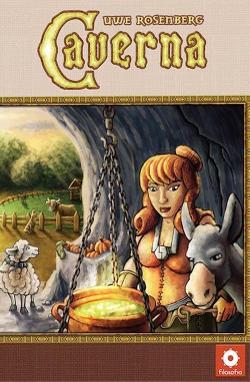
Caverna
Players lead a small dwarf family and expand a single cave into a living and working homestead through worker placement. Each family member is an action on the turn track; players send them to gather resources, clear forest, sow fields, build pastures, breed animals, and dig into the mountain to expose mines and water. Furnishing tiles and buildings let players create dwellings, workshops and mines, while ore and weapons enable expeditions that grant bonus items and actions. The game includes variation through many cave furnishings, an expanding family, and a solo mode for learning tile interactions.
- Joueurs
- 1–7 idéal à 4
- Temps de jeu
- 30–210 min
- Âge
- 12+
- Complexité
- 3,8 / 5
À propos du jeu
- Auteurs
- Illustration
- Publisher




Extensions
Les voir dans Ludoya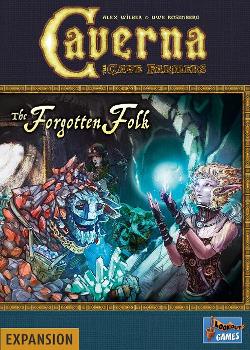
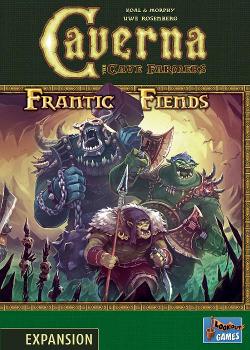
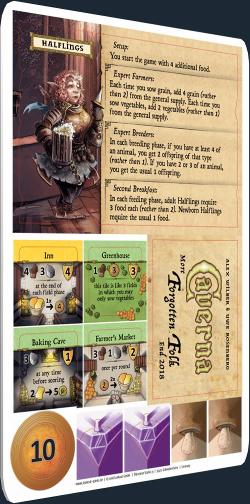
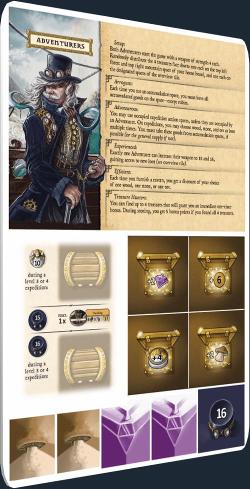
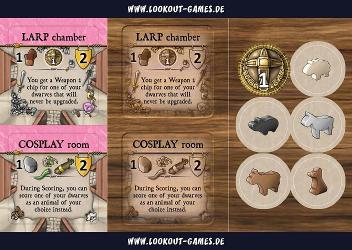
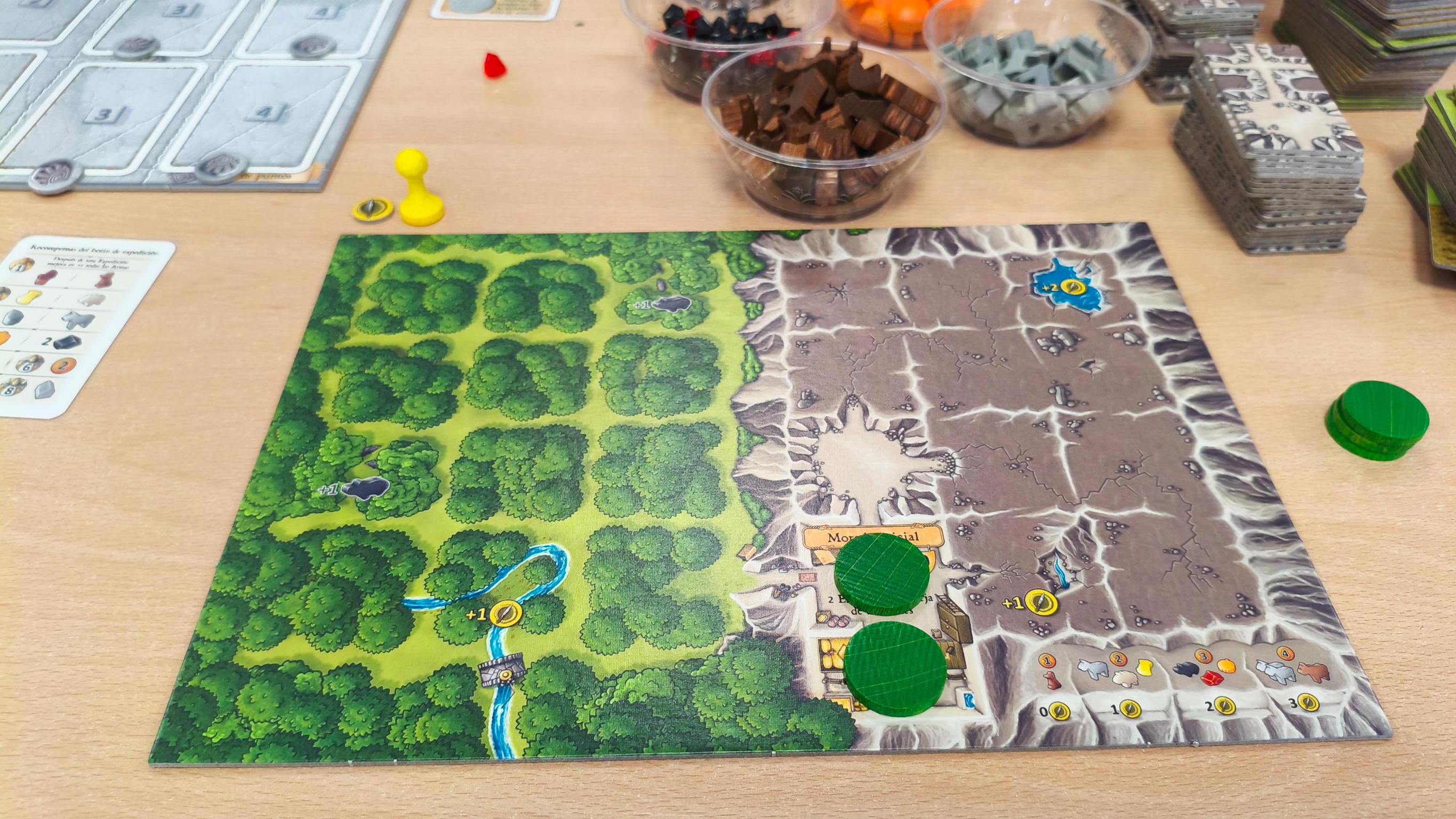
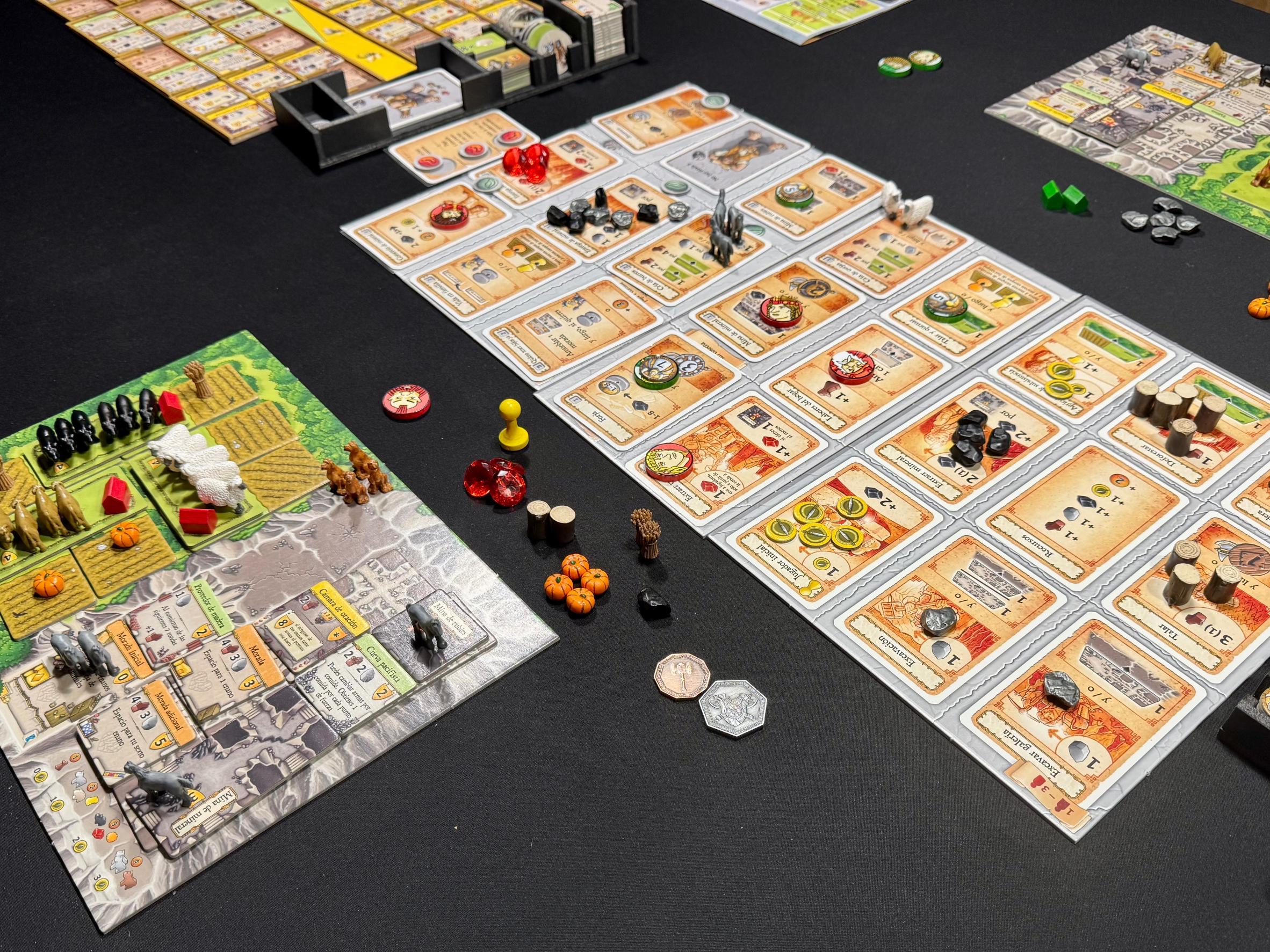
Photos des tables de Ludoya
Toutes les photos dans Ludoya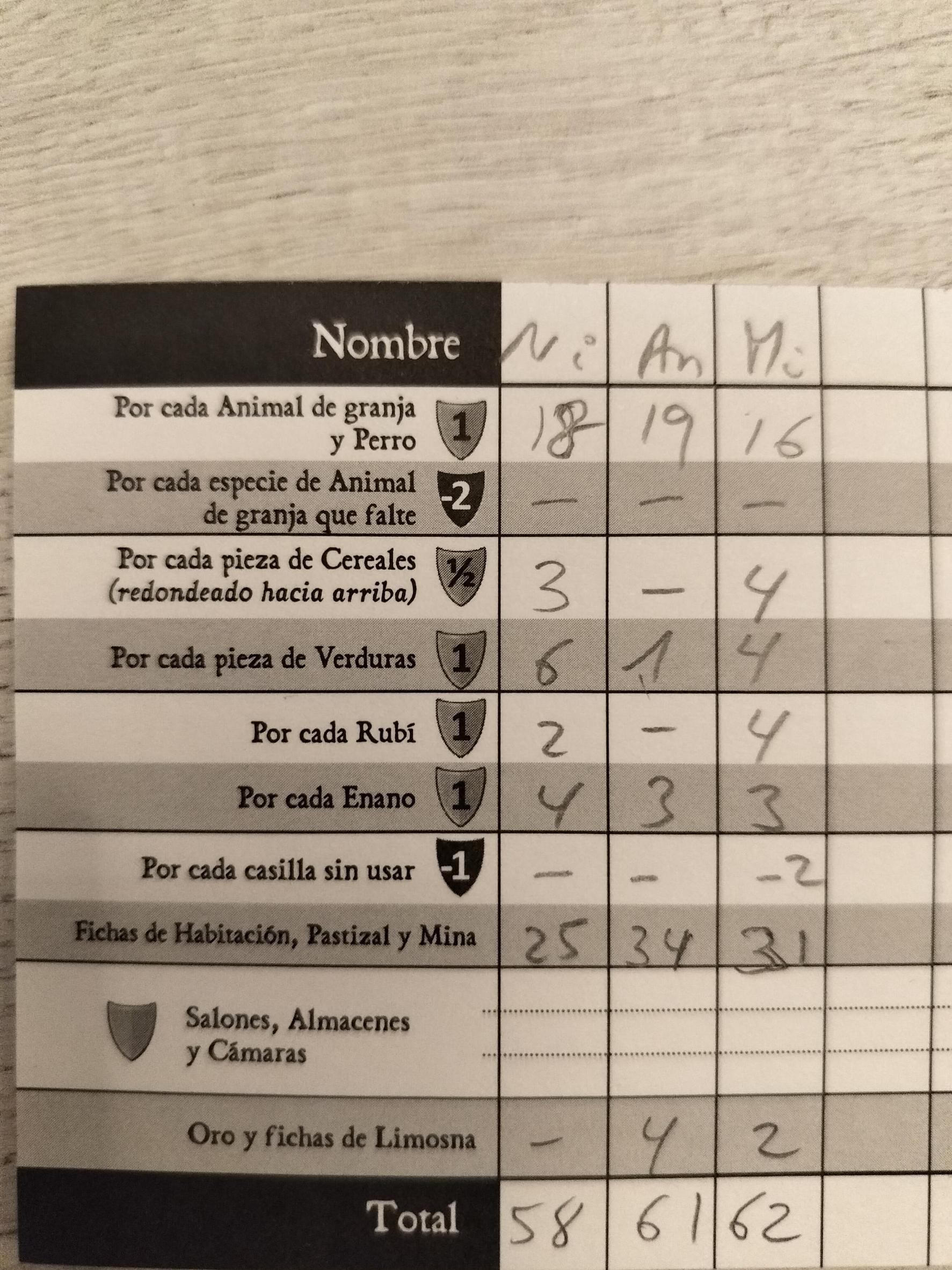
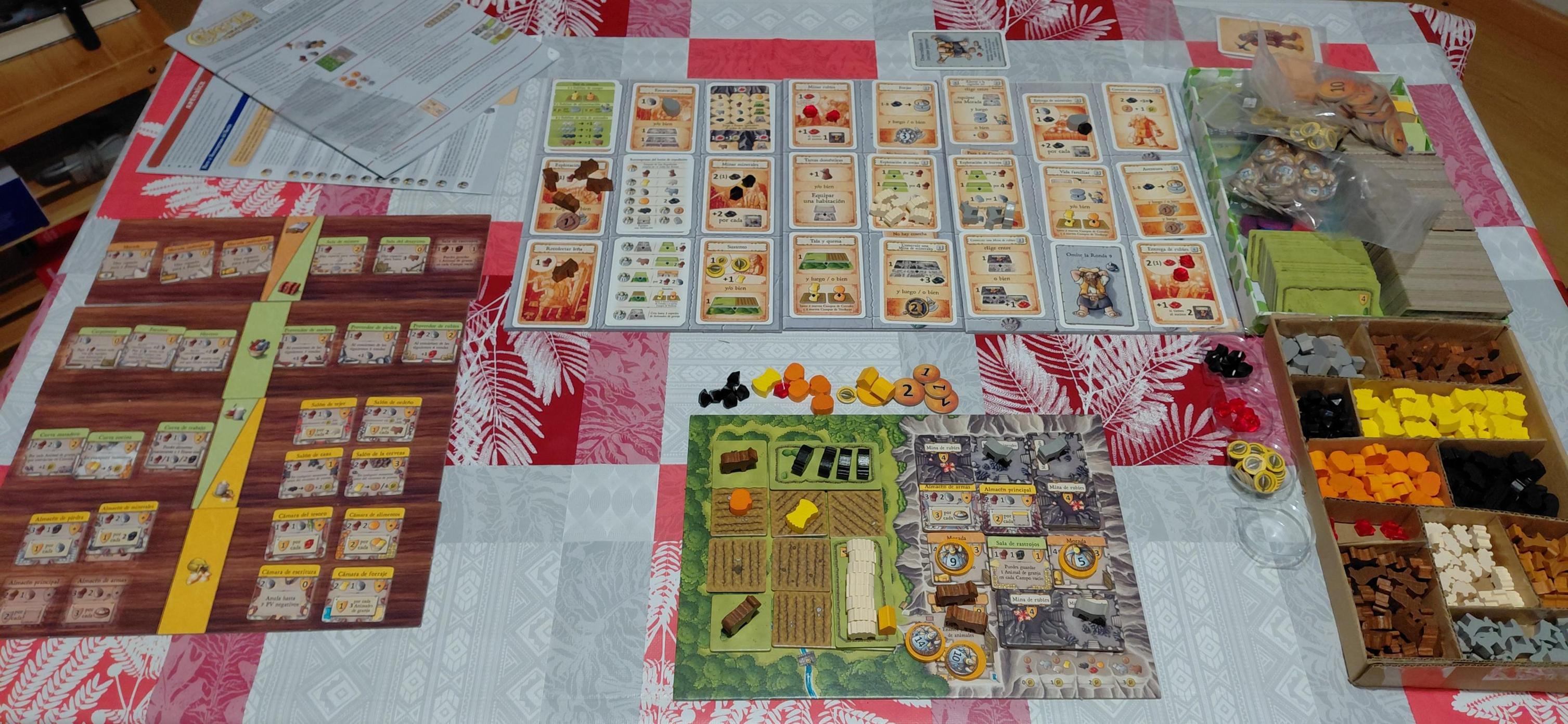
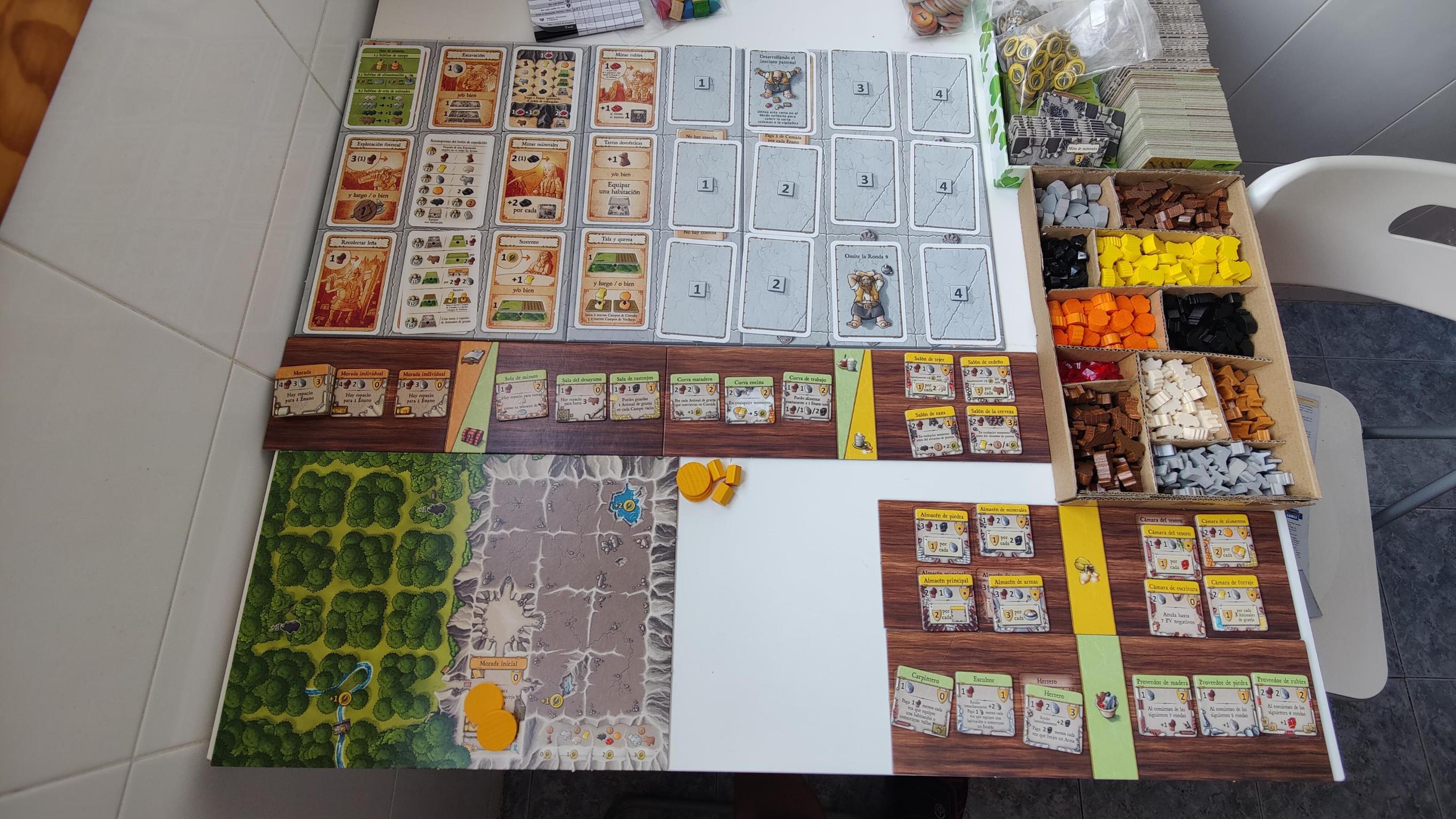
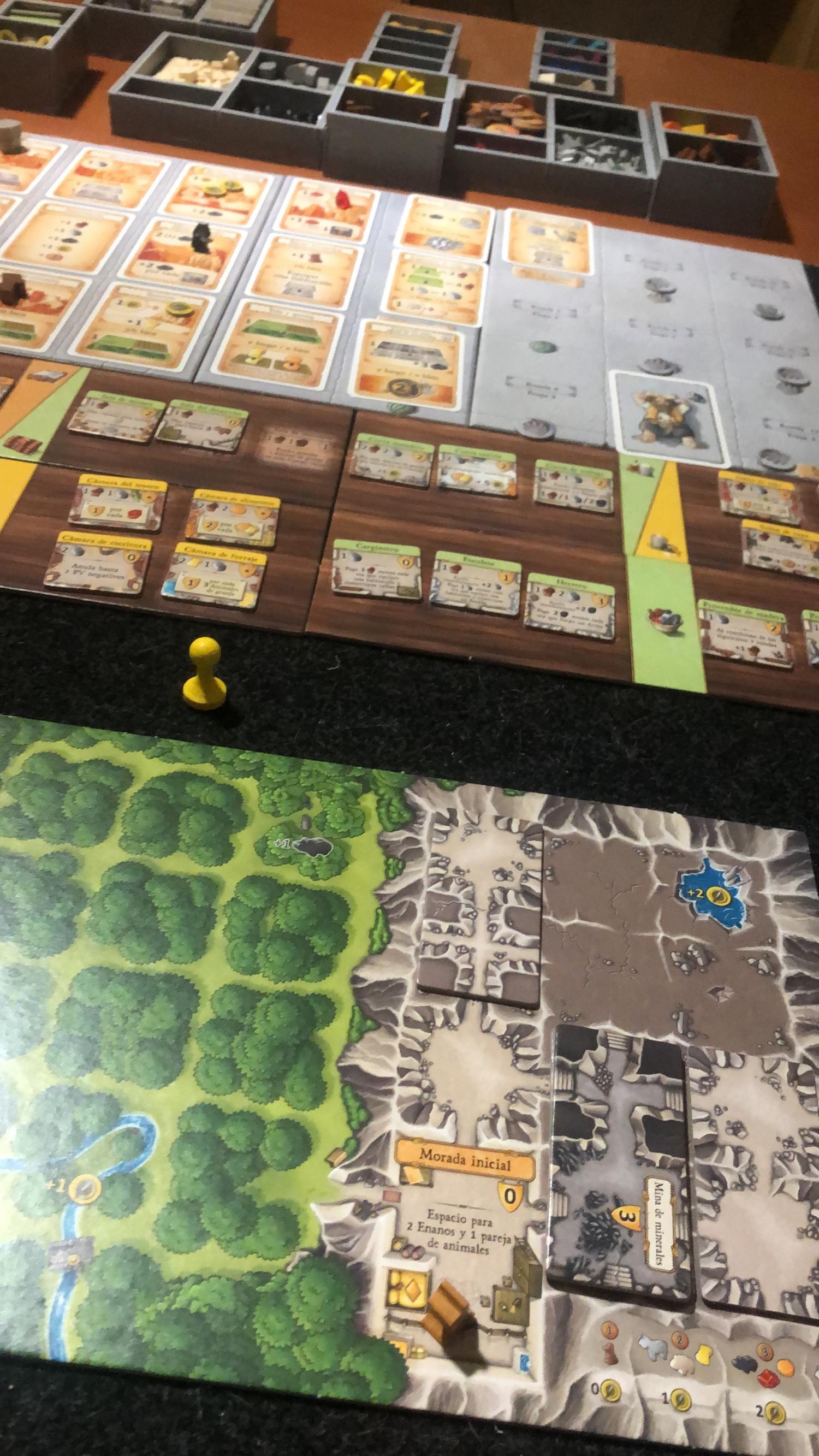
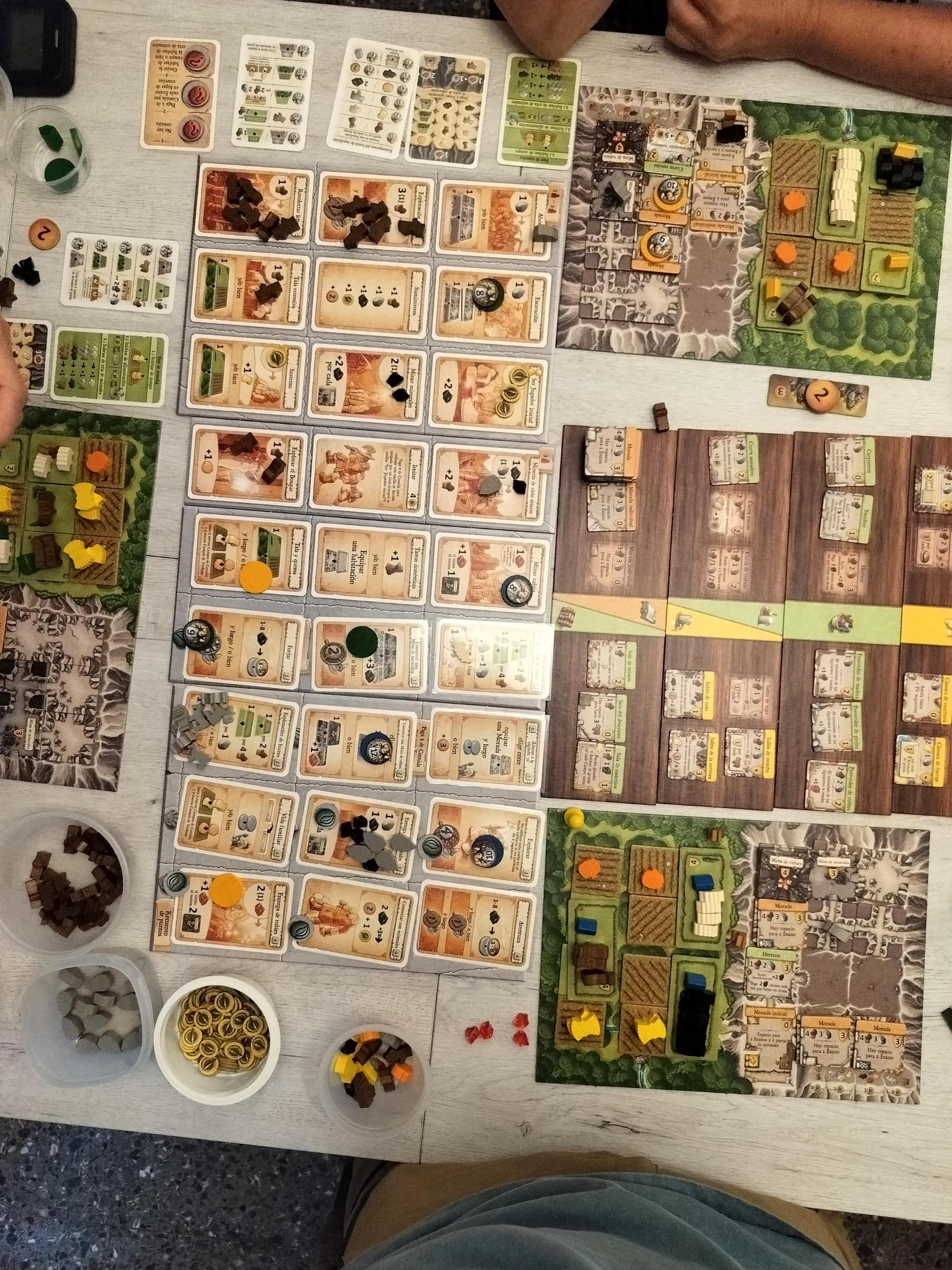
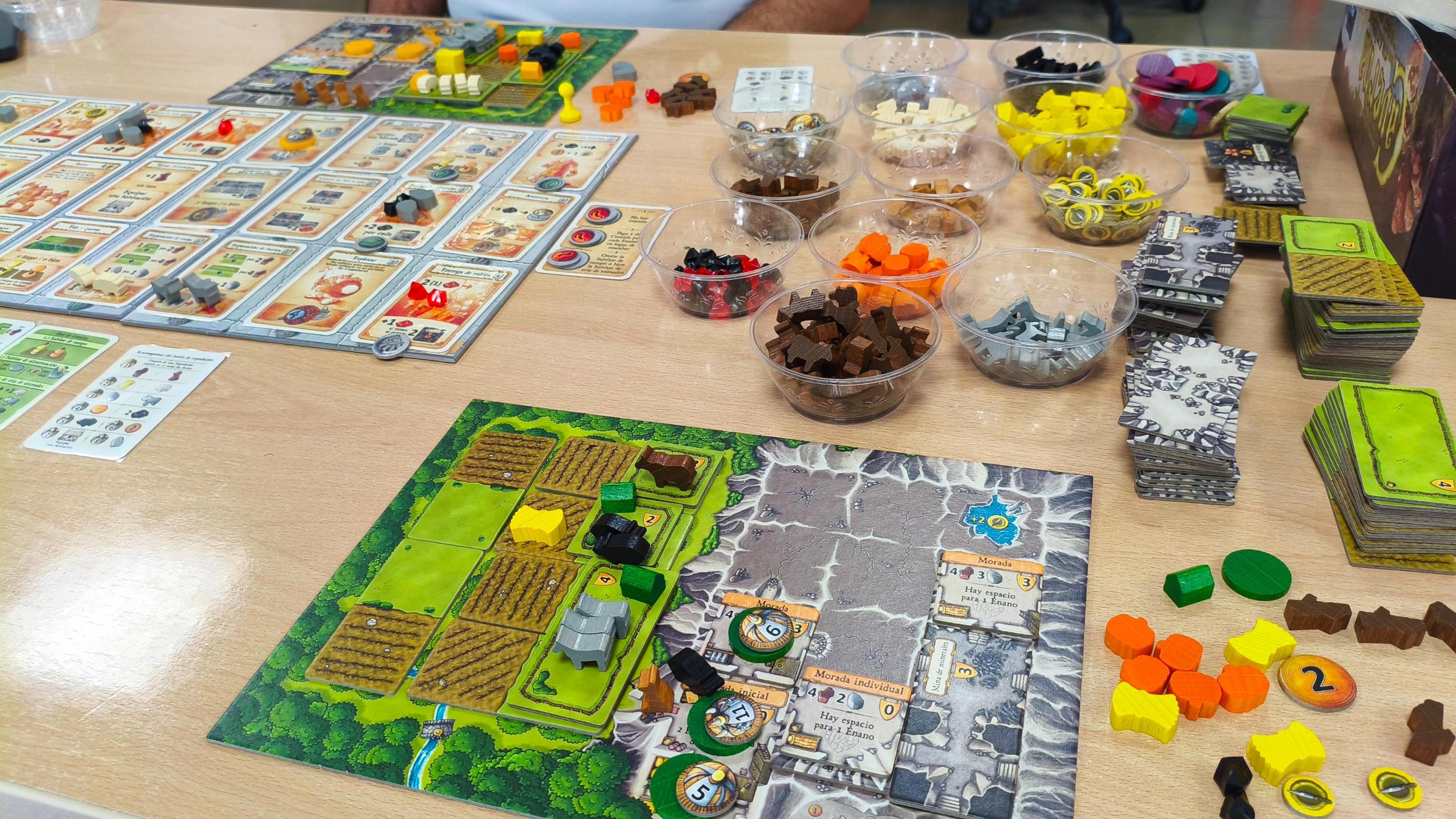
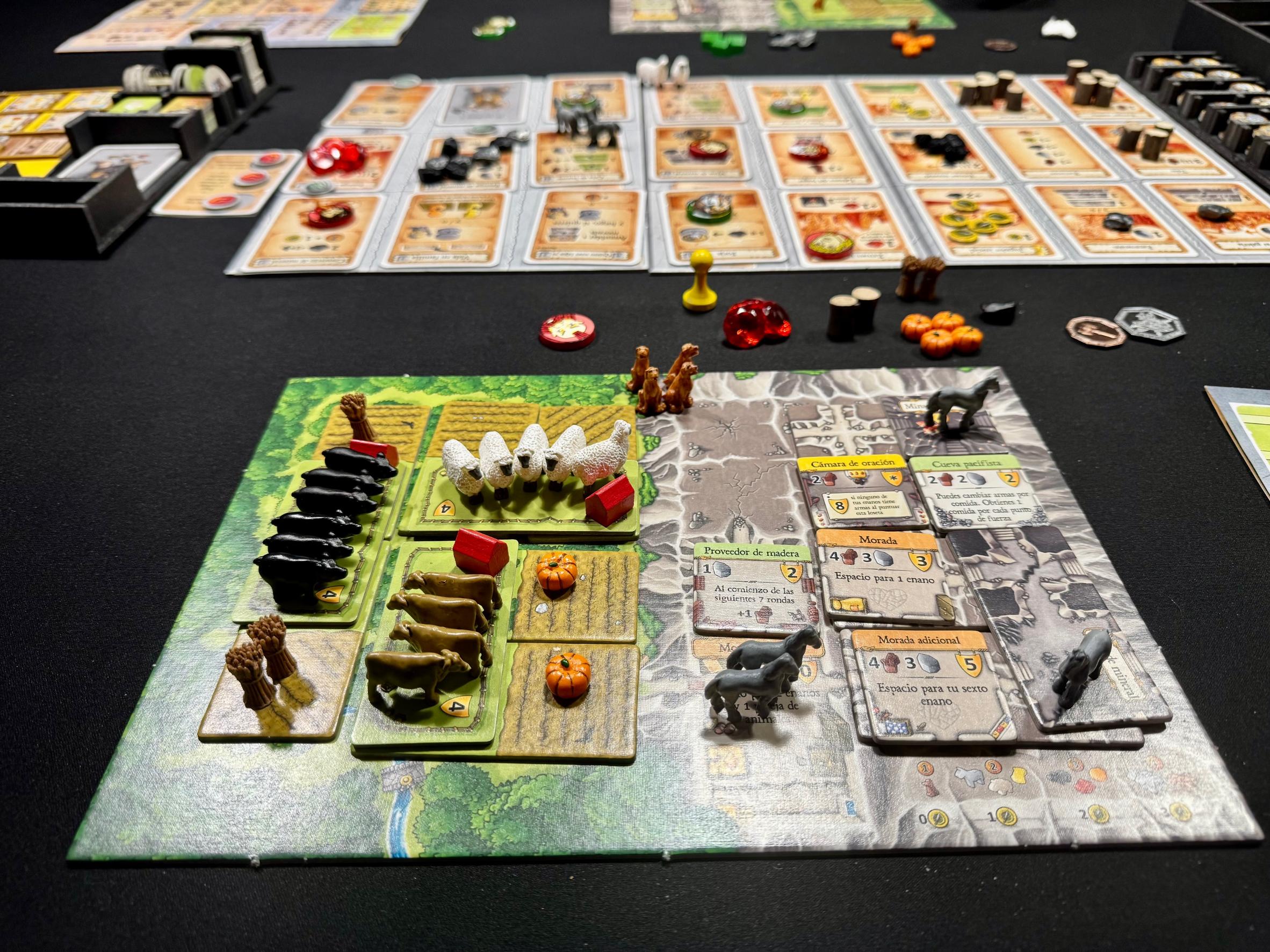
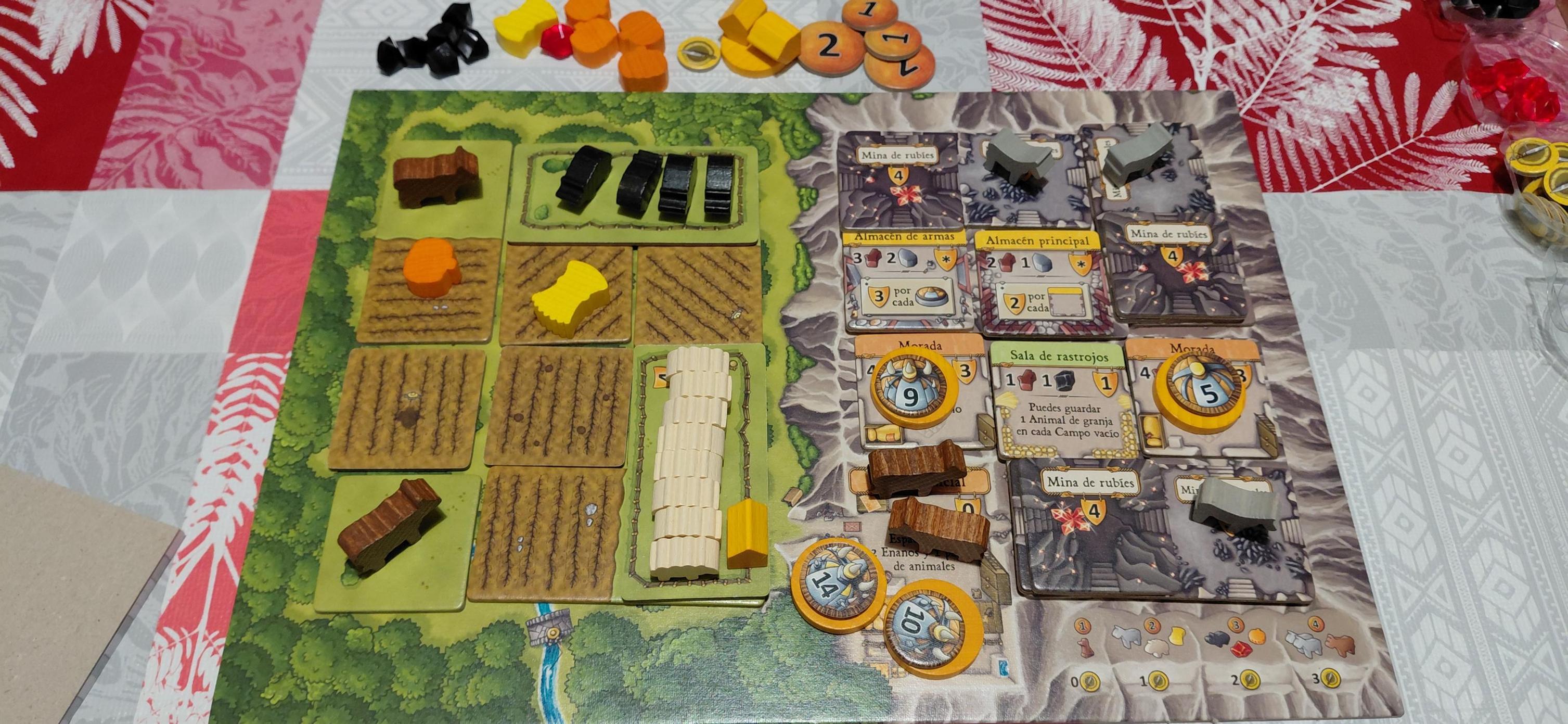
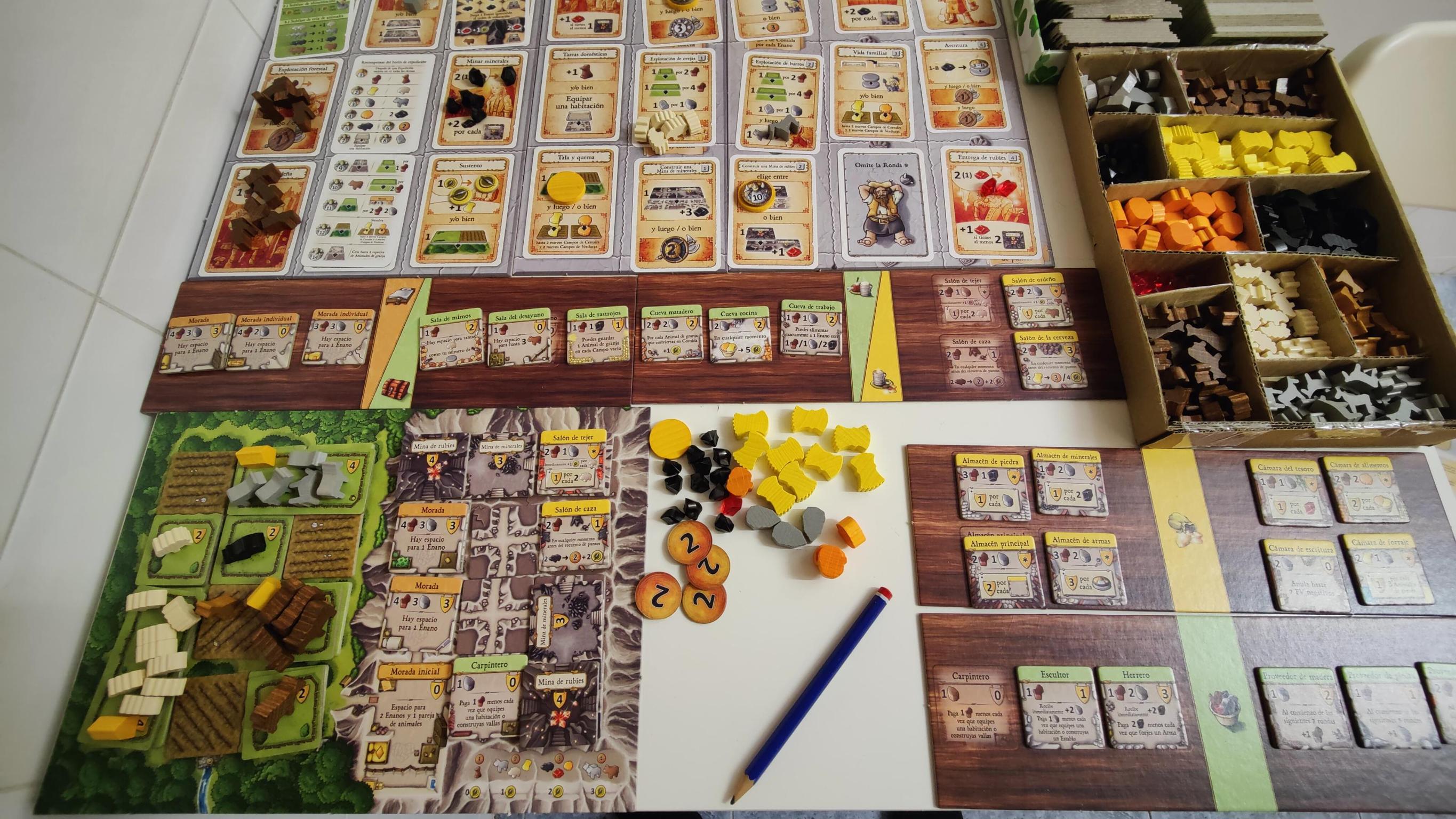
Où l'acheter
Prix des boutiques et exemplaires d'occasion, vérifiés chaque jour.
Sur les tables de Ludoya
Toutes les statistiques dans Ludoya- 692
- Parties enregistrées
- 604
- Joueurs
- 2h 8m
- Partie moyenne
- 293
- Dans des collections
- 30
- Dans des listes de souhaits
- 1
- Précommandé
7,7/10
sur 125 avis Ludoya
Jan Solo8,3 Eurogame de colocación de losetas y trabajadores donde encarnas a una familia de enanos que deberán mejorar su caverna y conseguir pastos para sus animales. Uno de los mejores juegos de colocación de trabajadores. Admite hasta 7 jugadores. Impro-Reseña⇒ https://youtu.be/F0wDGrrdWjw
Nevest9,3 I played Agricola a few times and I love the mechanics, but I really didn’t love the Occupation cards. They might be great for you or they might really not line up with what you’re doing. In a game like this, I don’t want a large element of randomness that can swing a game by large chunks of points. That’s why I greatly prefer Caverna. The randomness of the Occupation cards in Agricola has been moved to the publicly-available, specialized building tiles in Caverna that anyone can buy. I also feel like Caverna streamlines a few things in Agricola that were a little on the “needlessly complex” side (like house renovation). I love having the option to weaponize a dwarf and send them on a quest. I love the vast variety of buildings. I love the mix of building out your cave and/or clearing out your forest for pasture/crops.
Mestremuten9,0 Rating: 5/5 Production value: 3/4 Is the game in my collection/Love to have?: 1/1


Questions de règles
Réponses tirées du livret par l'assistant de règles de Ludoya.
When does a harvest happen and what exactly do we do during a harvest?
Harvest timing is determined by the Harvest markers and round number: rounds 1–2 have no harvest, there is a harvest at the end of round 3 (round 4 has a special “pay 1 Food per Dwarf”), and by default rounds 5–12 have harvests unless modified by Harvest events. Each harvest proceeds in three sub‑phases — Field (collect crops), Feeding (pay 2 Food per Dwarf; offspring born this round cost 1 Food), then Breeding — with special cases explained by the Harvest events (pages 7, 9–10).
How do I get a new Dwarf — can a newborn act the same round?
You gain a new Dwarf by taking a Family growth action and you must have free room in your Dwellings to do so; place a Dwarf disc from your personal supply on top of the Dwarf taking the action. The newborn cannot take an action that round and must be accommodated in the Return home phase (pages 15–16).
I picked up animals but have no room — can I convert them to Food? And what about baby animals from breeding?
During the Work phase, animals you gain may be immediately converted into Food according to the Food conversion table, if you cannot or do not want to place them on your Home board (page 9 and page 11). However, baby animals born in the Breeding sub‑phase may not be converted immediately — they only appear if you can accommodate them on your Home board (page 10).
What can I spend Rubies on and are they 'wild' resources?
Rubies act as a flexible resource: you may exchange 1 Ruby (1:1) for animals, building materials, Grain, Vegetables or Gold (Cattle requires 1 Food extra), buy single Field/Meadow/Tunnel/Cavern tiles for the listed Ruby costs, and spend 1 Ruby to ignore dwarf play order for one Dwarf; Rubies are also involved in mining actions and bonuses (pages 17–18), and they can be converted into Food values as noted on the conversion table (page 11).
How do Pastures and Stables work — what are the animal capacities?
Turn a Meadow into a Small pasture for 2 Wood (holds 2 Farm animals) or pay 4 Wood to place a Large pasture on two adjacent Meadows (holds 4); a Stable costs 1 Stone and may be placed on Forest/Meadow/Pasture and is permanent. A Stable doubles pasture capacity (Small+Stable = up to 4; Large+one Stable = up to 8; with two Stables a Large pasture can use markers to indicate larger counts), a Meadow Stable holds 1 Farm animal, and a Forest Stable can hold exactly 1 Wild boar (pages 19–20).
When are new Action spaces added and how do accumulating spaces refill?
At the start of each round you turn over the top Action space card and place it on the lowest‑numbered empty Round space, making that action available from that round onward (page 7). After that, replenishing (in the Replenish accumulating spaces phase) places the goods shown on accumulating spaces each round (with the special “(1)” rule meaning smaller replenishment if the space is not empty) — there is no upper limit to goods on an accumulating space (page 8).
Feuilles de score et aides de jeu
- Caverna V.
- Score Sheet
- Hoja de Puntuación
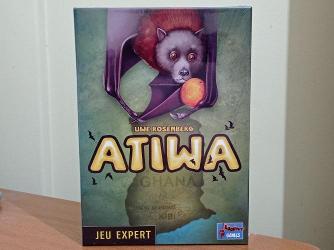
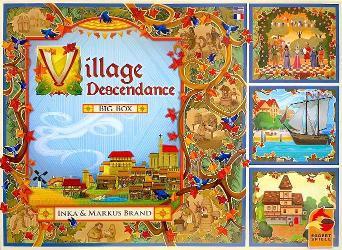
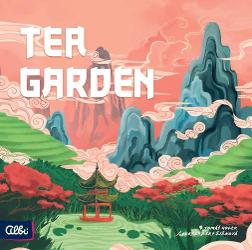
Ceux qui l'ont possèdent aussi
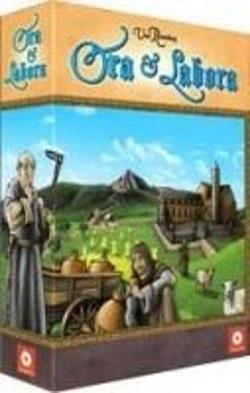 Ora & Labora2011
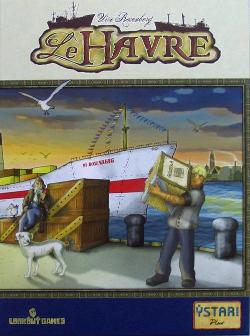 Le Havre2009
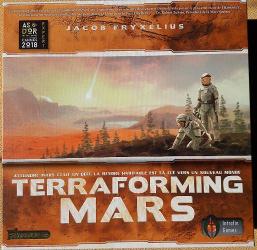 Terraforming Mars2017
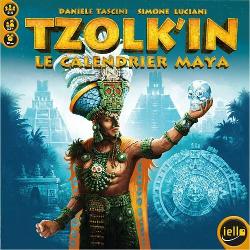 Tzolk'in: le calendrier maya2012
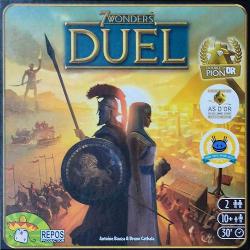 7 Wonders Duel2020
 Les voyages de Marco Polo2015
 À la gloire d'Odin2016
 Brass: Birmingham2019
 Patchwork: Edition 10ème Anniversaire2024
 Viticulture Edition Essentielle2017
 Les Ruines Perdues de Narak2021
 The Castles of Burgundy2011
Gratuit, sur le web, Android et iOS
Jouez à Caverna avec Ludoya
- Gardez-le dans votre collectionSuivez votre exemplaire et ses extensions, prêtez-le à vos amis ou ajoutez-le à votre liste de souhaits et soyez prévenu quand le prix baisse.Ajouter à votre collection
- Enregistrez chaque partieScores, gagnants, minuteurs et photos, puis vos statistiques : taux de victoire, nombre de joueurs préféré, meilleur score.Enregistrer une partie
- Réglez les questions de règlesPosez n'importe quelle question sur les règles et obtenez une réponse tirée du livret, avec la page pour vérifier.Demander à l'assistant de règles
- Trouvez des gens avec qui y jouerClubs, soirées jeux et événements près de chez vous qui mettent ce jeu sur la table.Voir les événements
Données du jeu (joueurs, durée, âge, crédits) issues de BoardGameGeek.