
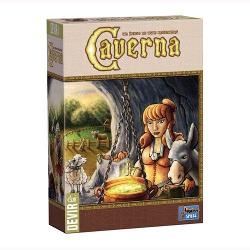
2013 · Fantasía
Caverna
Los jugadores dirigen a una pequeña familia de enanos y amplían una sola cueva hasta convertirla en una granja habitada y en funcionamiento mediante colocación de trabajadores. Cada miembro de la familia es una acción en la pista de turnos; los jugadores los envían a recoger recursos, despejar el bosque, sembrar campos, construir pastos, criar animales y excavar en la montaña para descubrir minas y agua. Las losetas de mobiliario y los edificios permiten a los jugadores crear viviendas, talleres y minas, mientras que el mineral y las armas permiten realizar expediciones que otorgan objetos y acciones extra. El juego incluye variedad gracias a muchas piezas de mobiliario para la cueva, una familia que va creciendo y un modo solitario para aprender las interacciones entre las losetas.
- Jugadores
- 1–7 mejor con 4
- Duración
- 30–210 min
- Edad
- 12+
- Complejidad
- 3,8 / 5
Sobre el juego
- Diseño
- Publisher




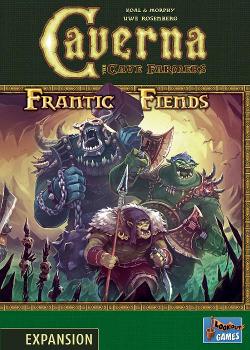
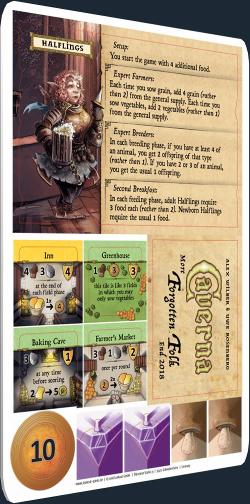
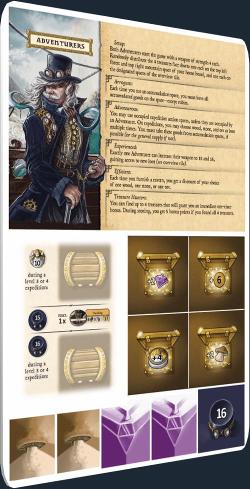
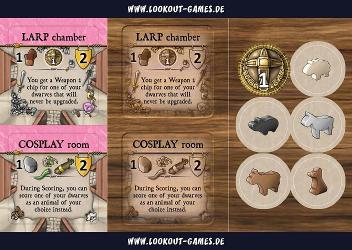
Expansiones
Verlas en Ludoya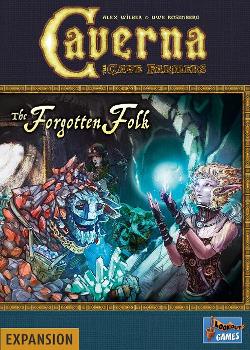
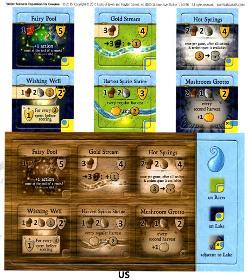
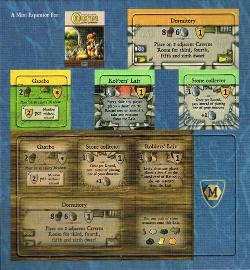
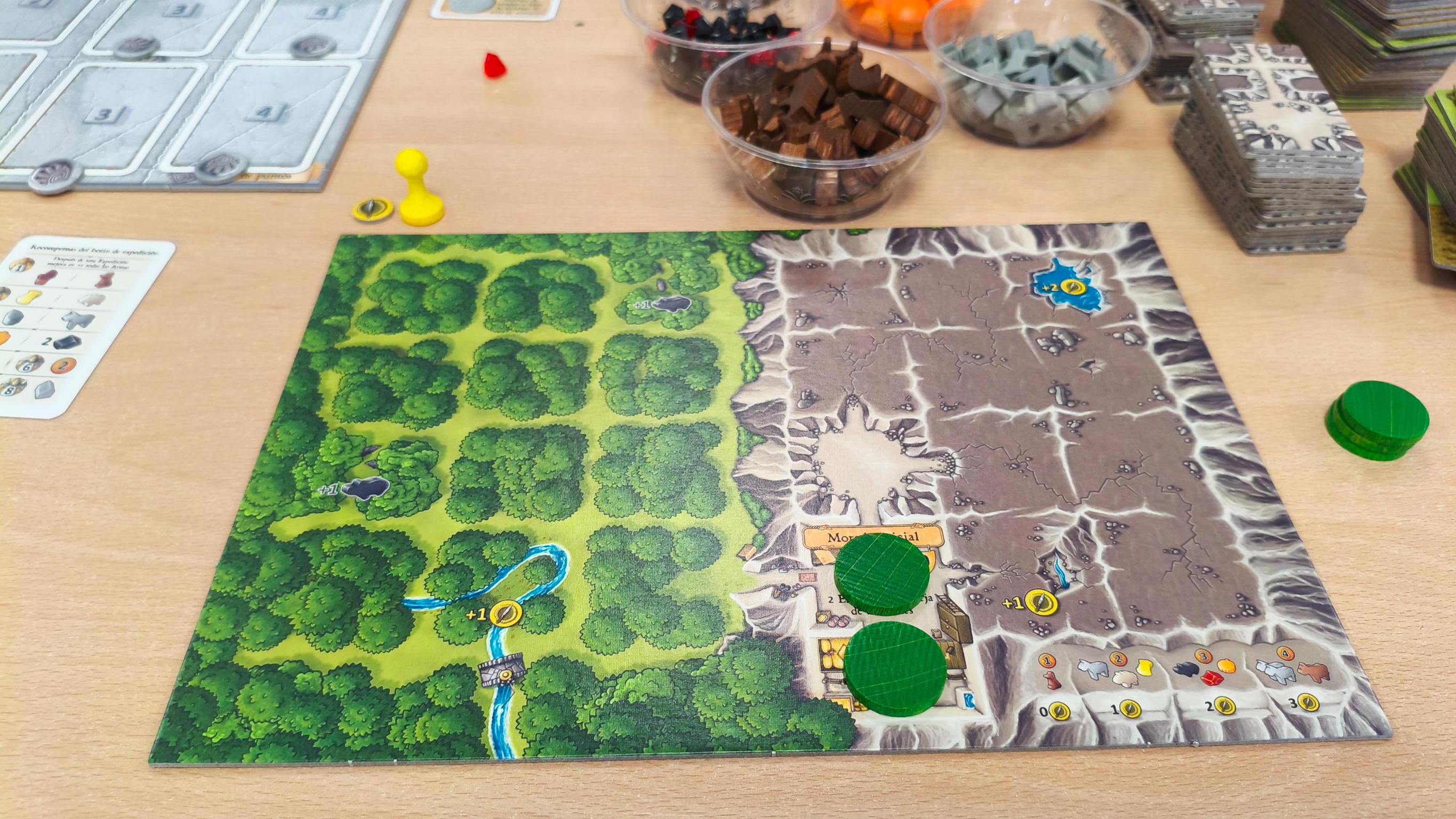
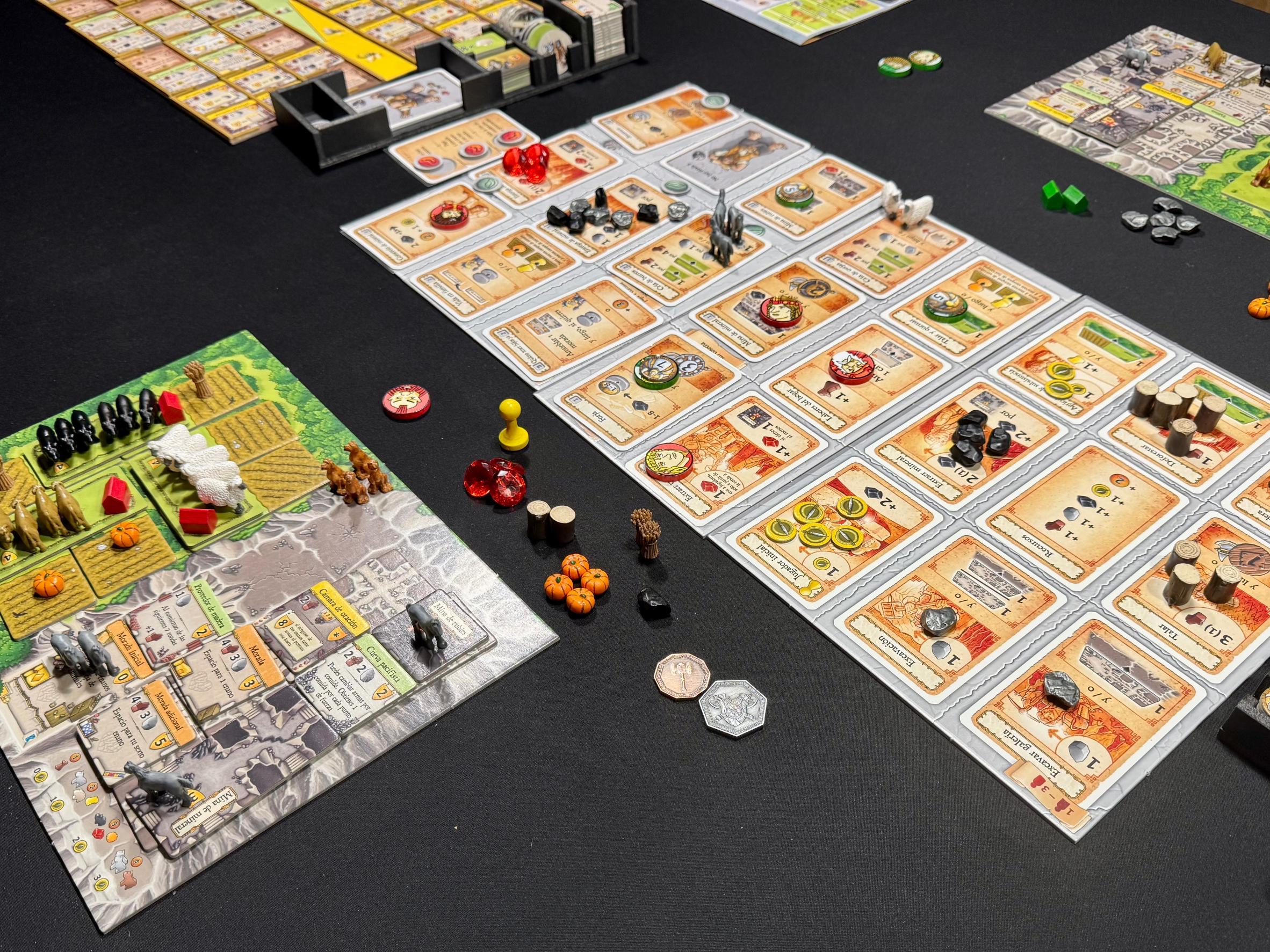
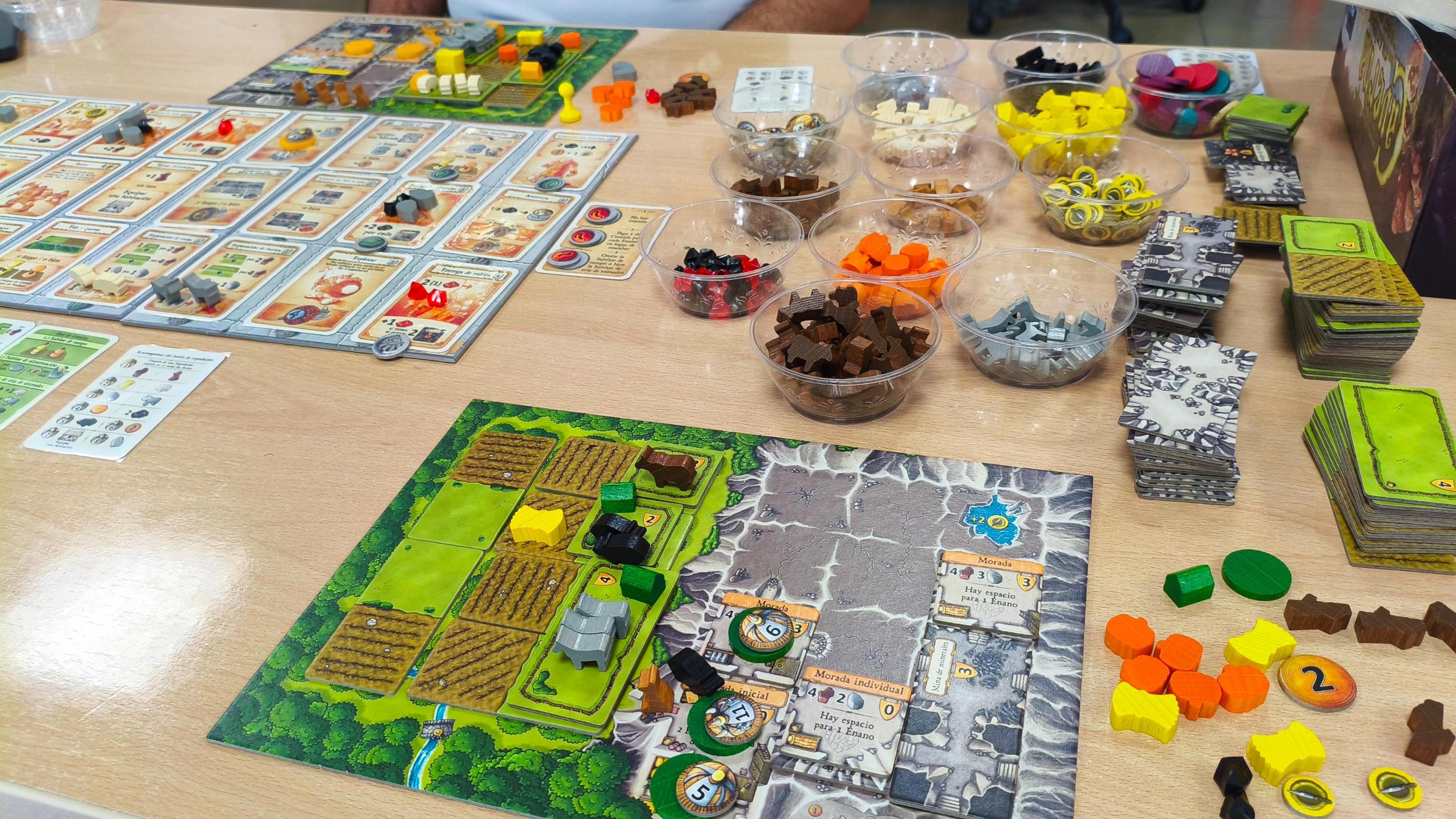
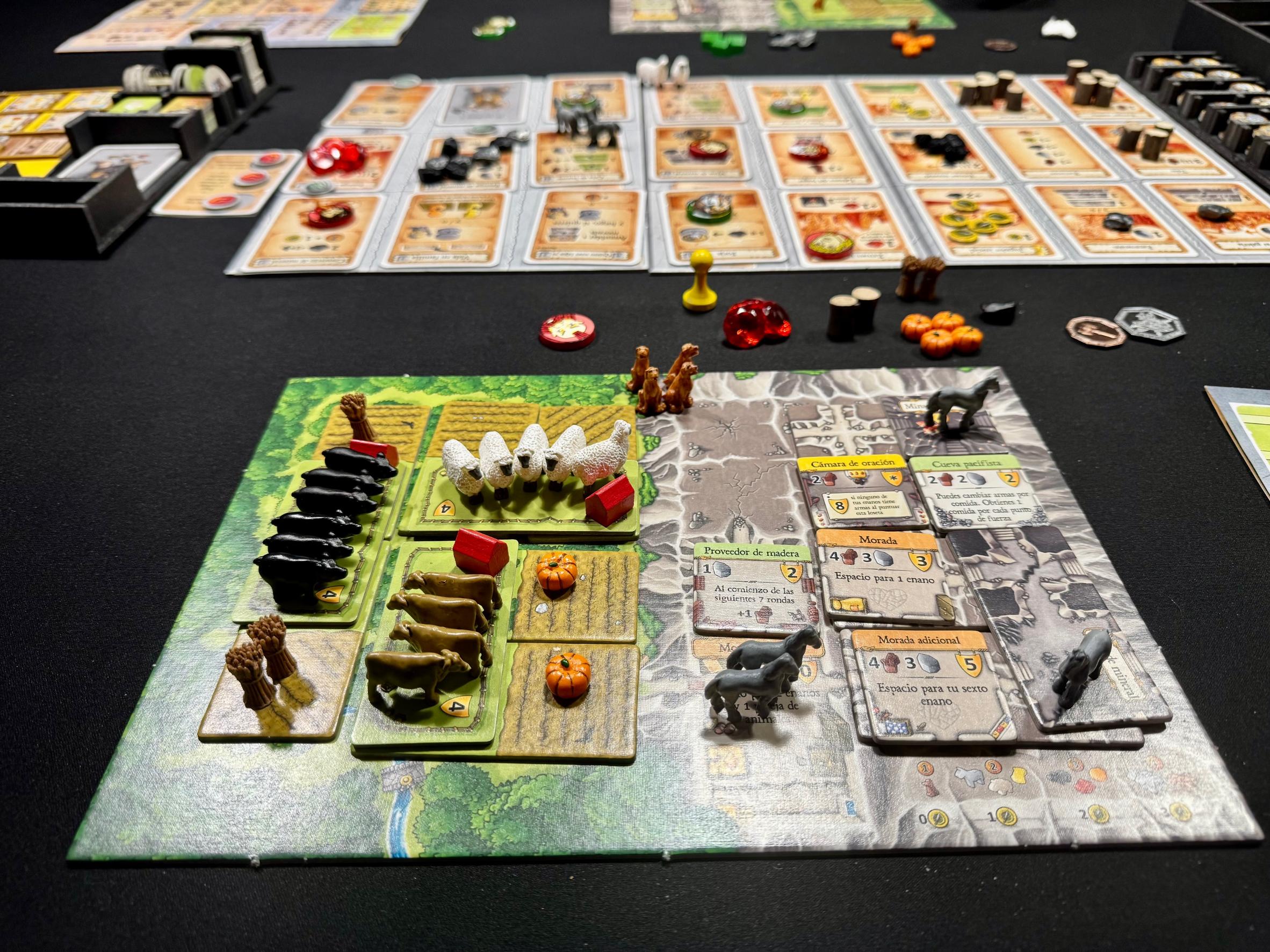
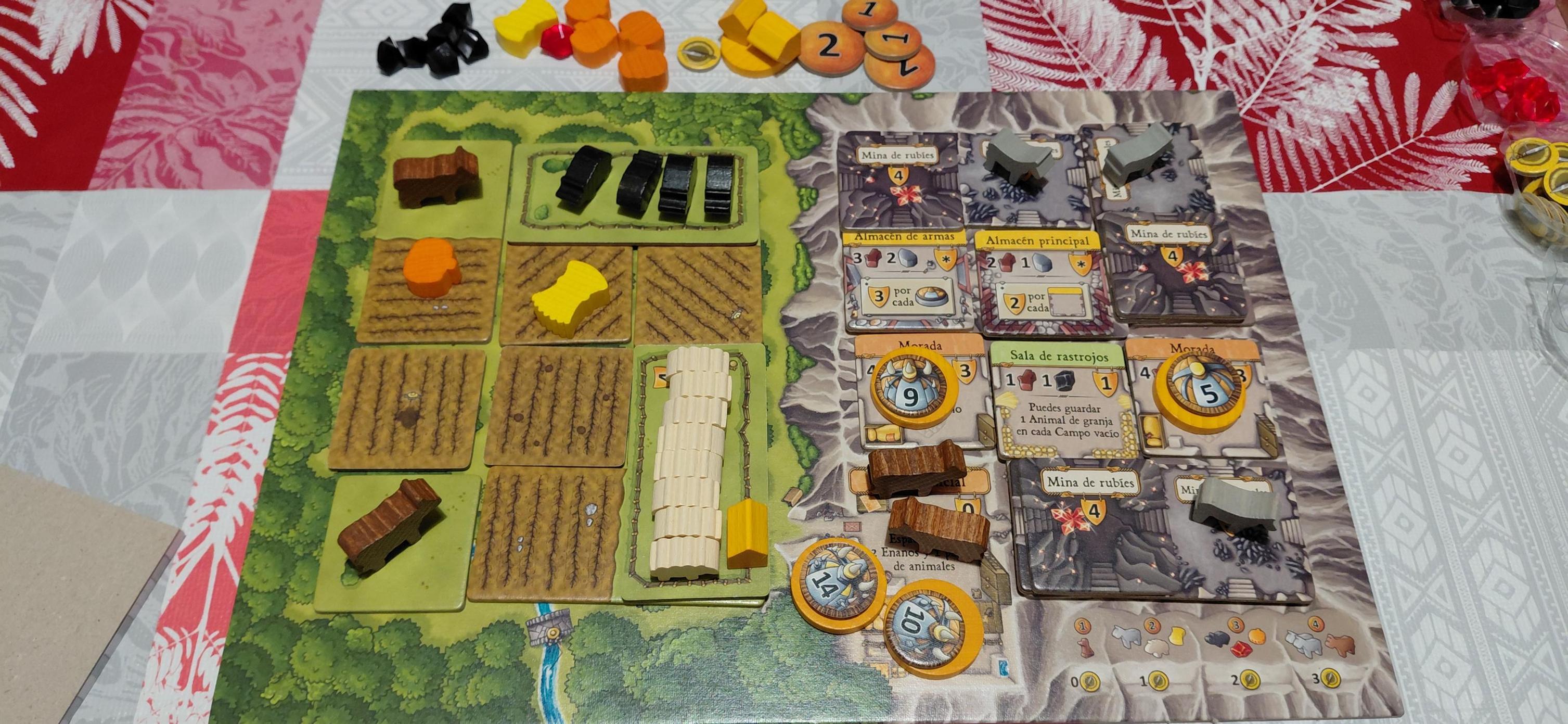
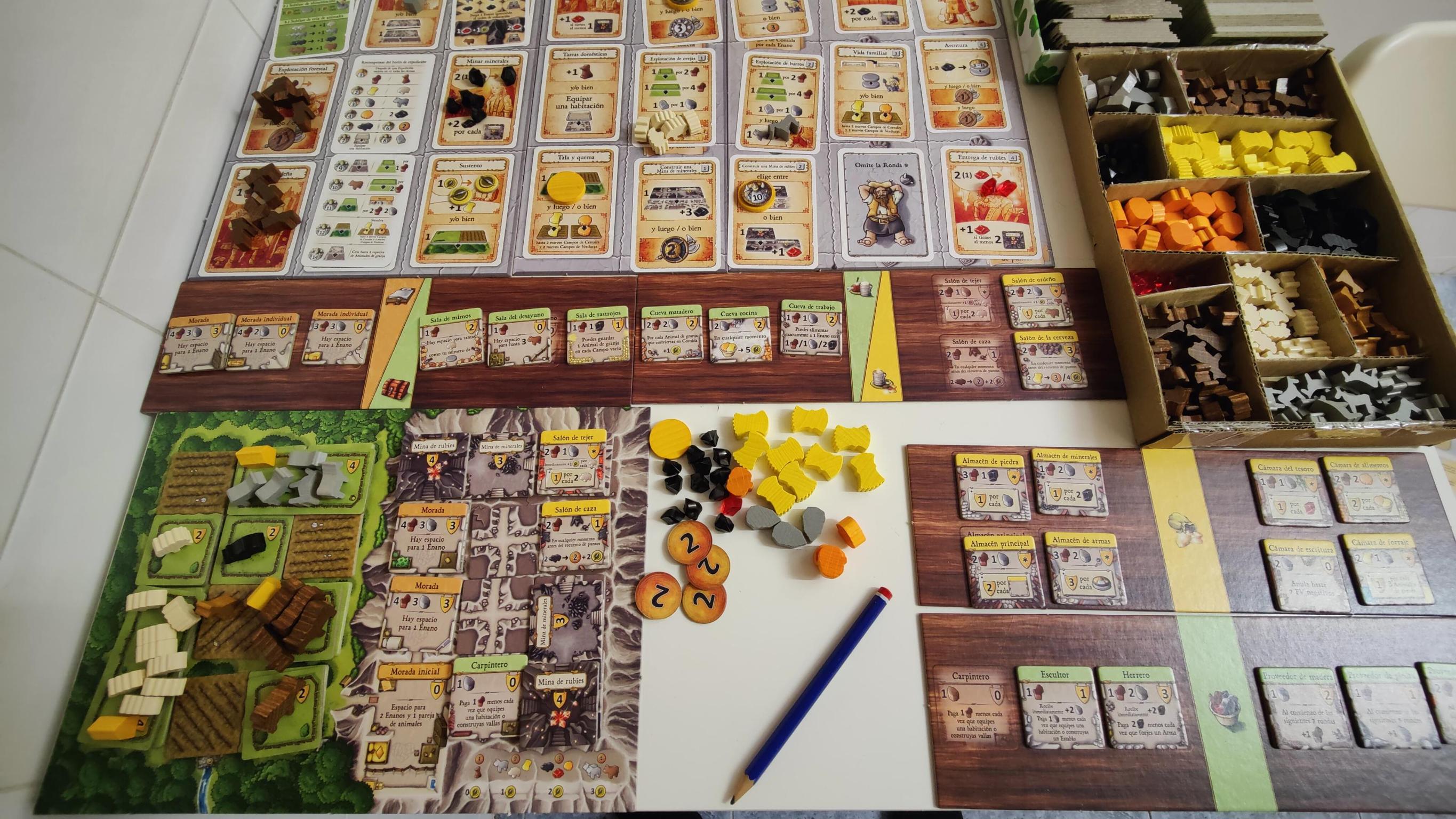
Fotos de mesas de Ludoya
Todas las fotos en Ludoya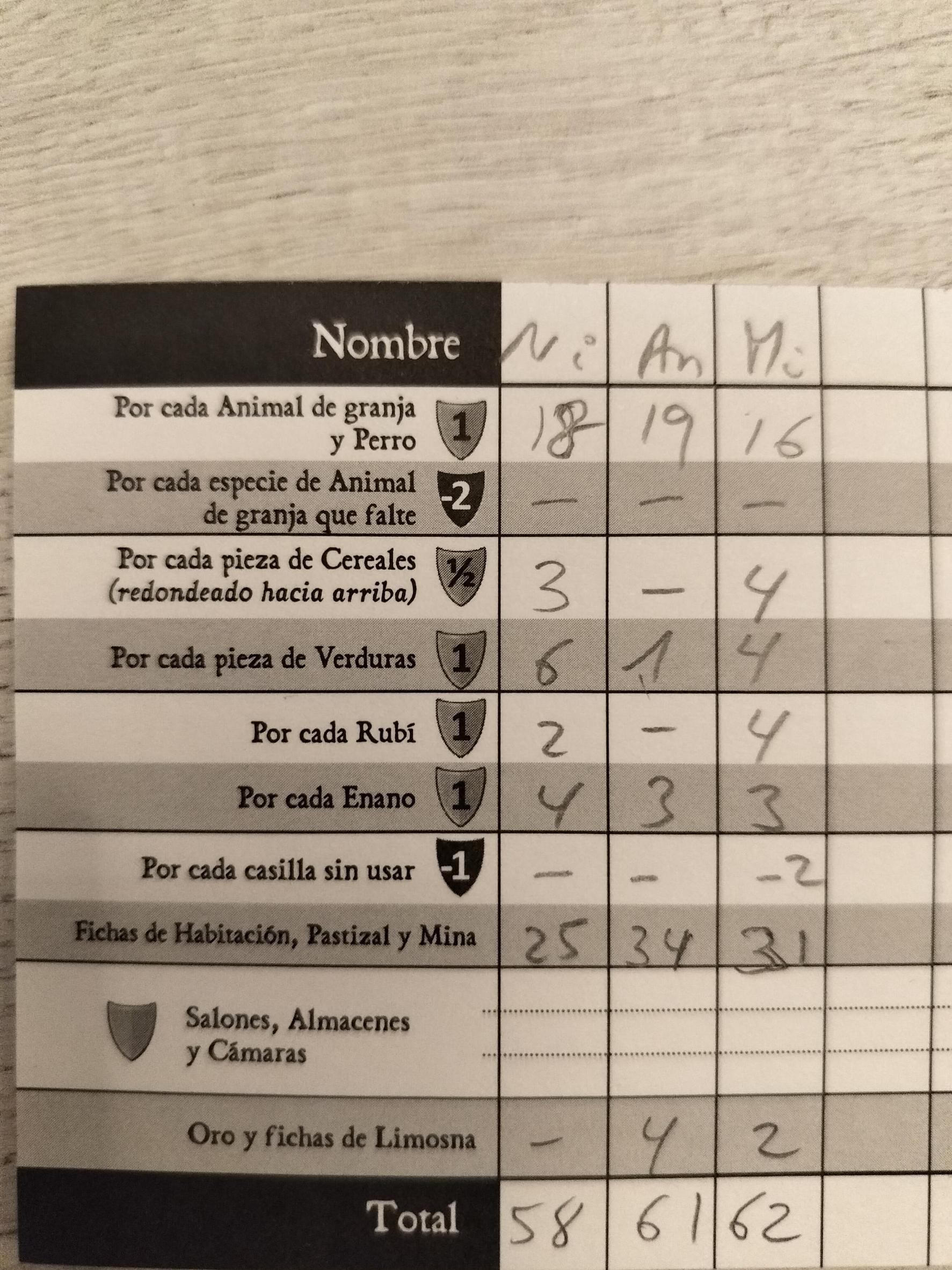
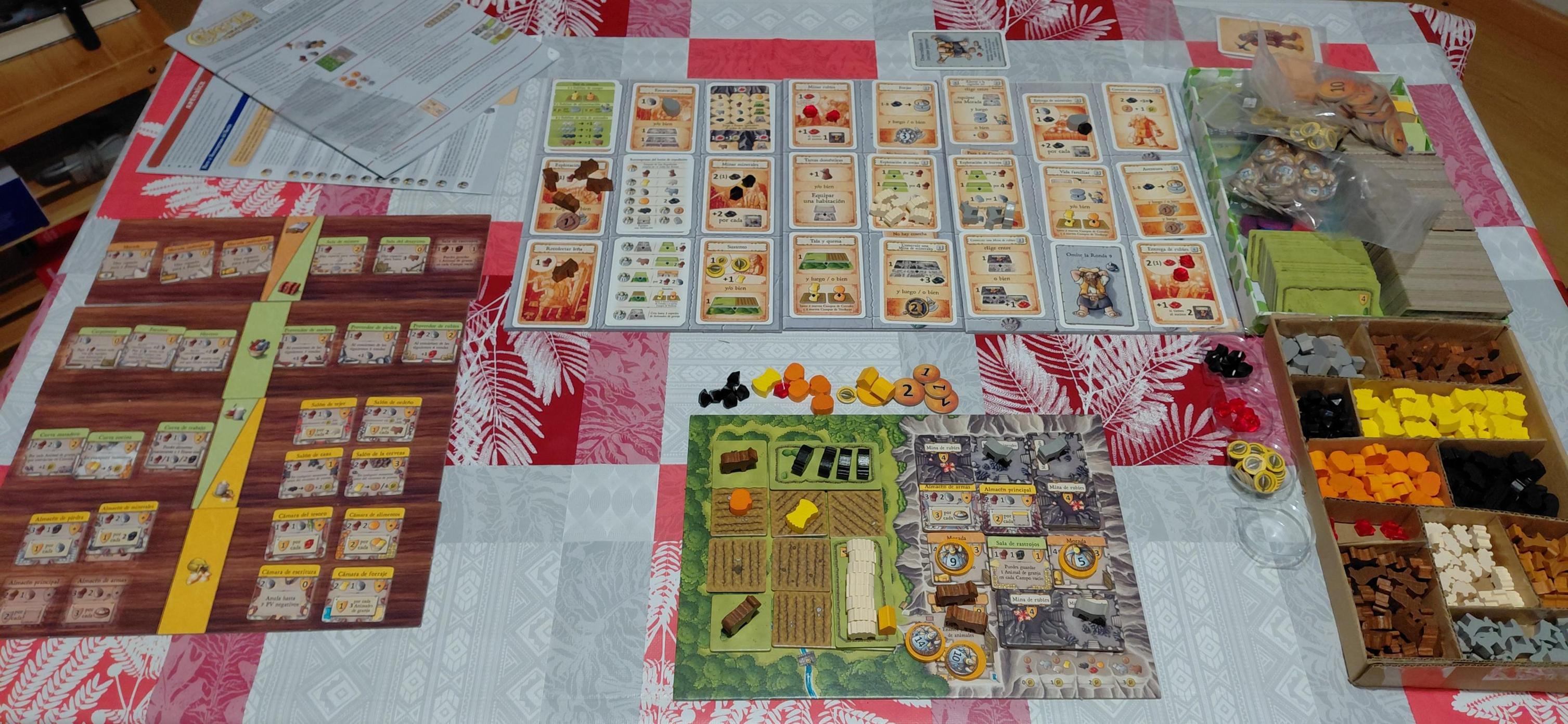
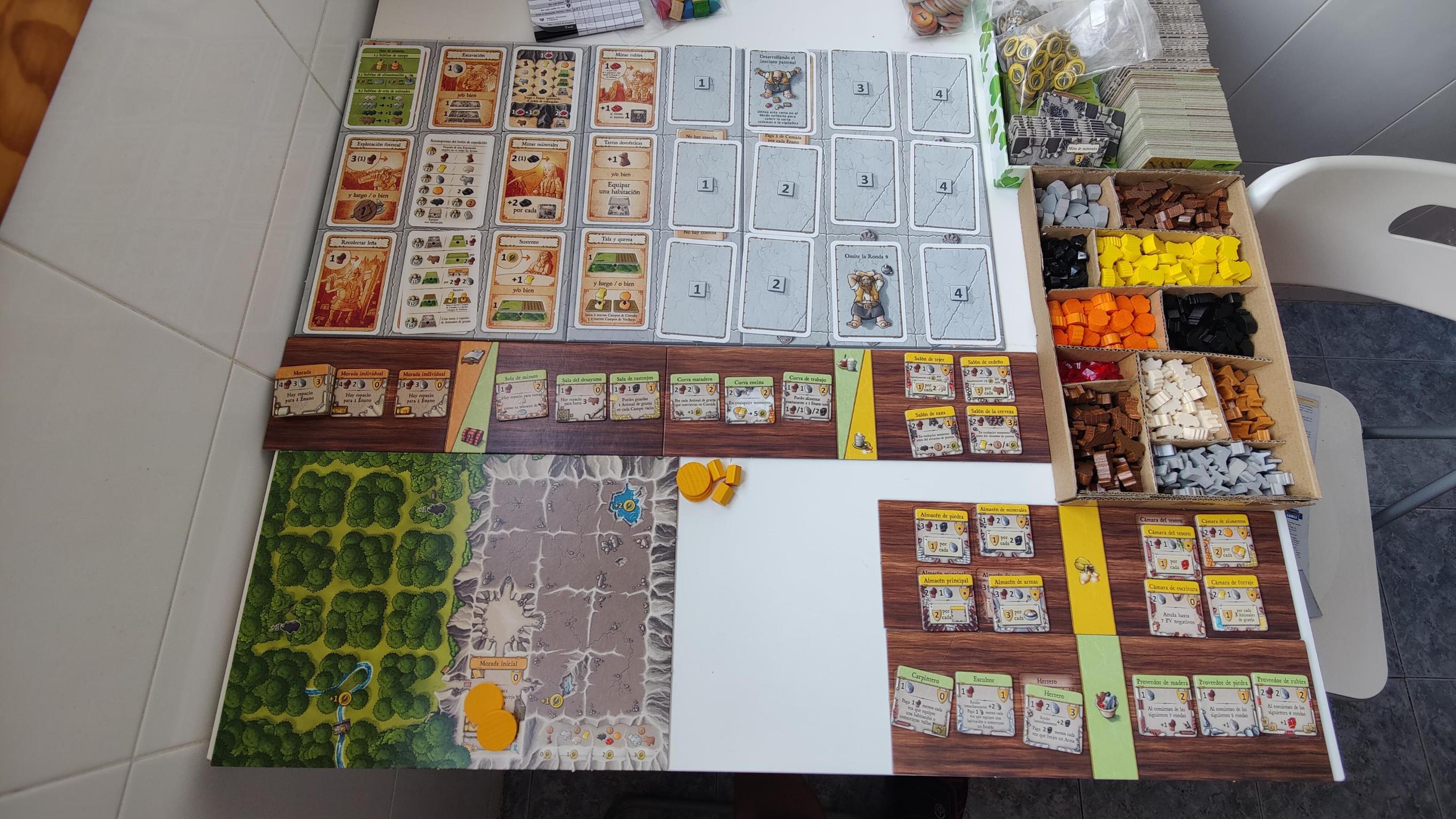
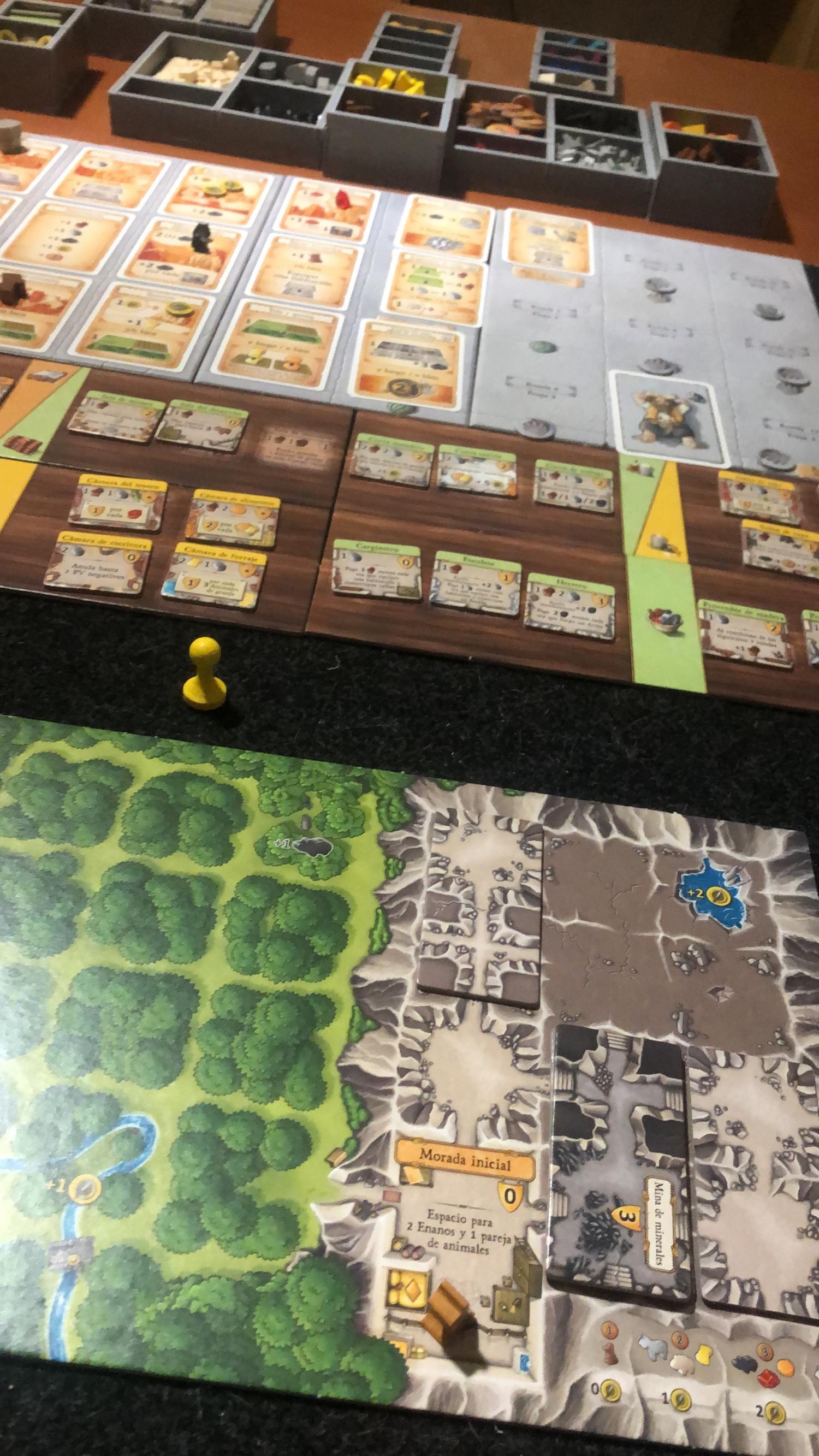
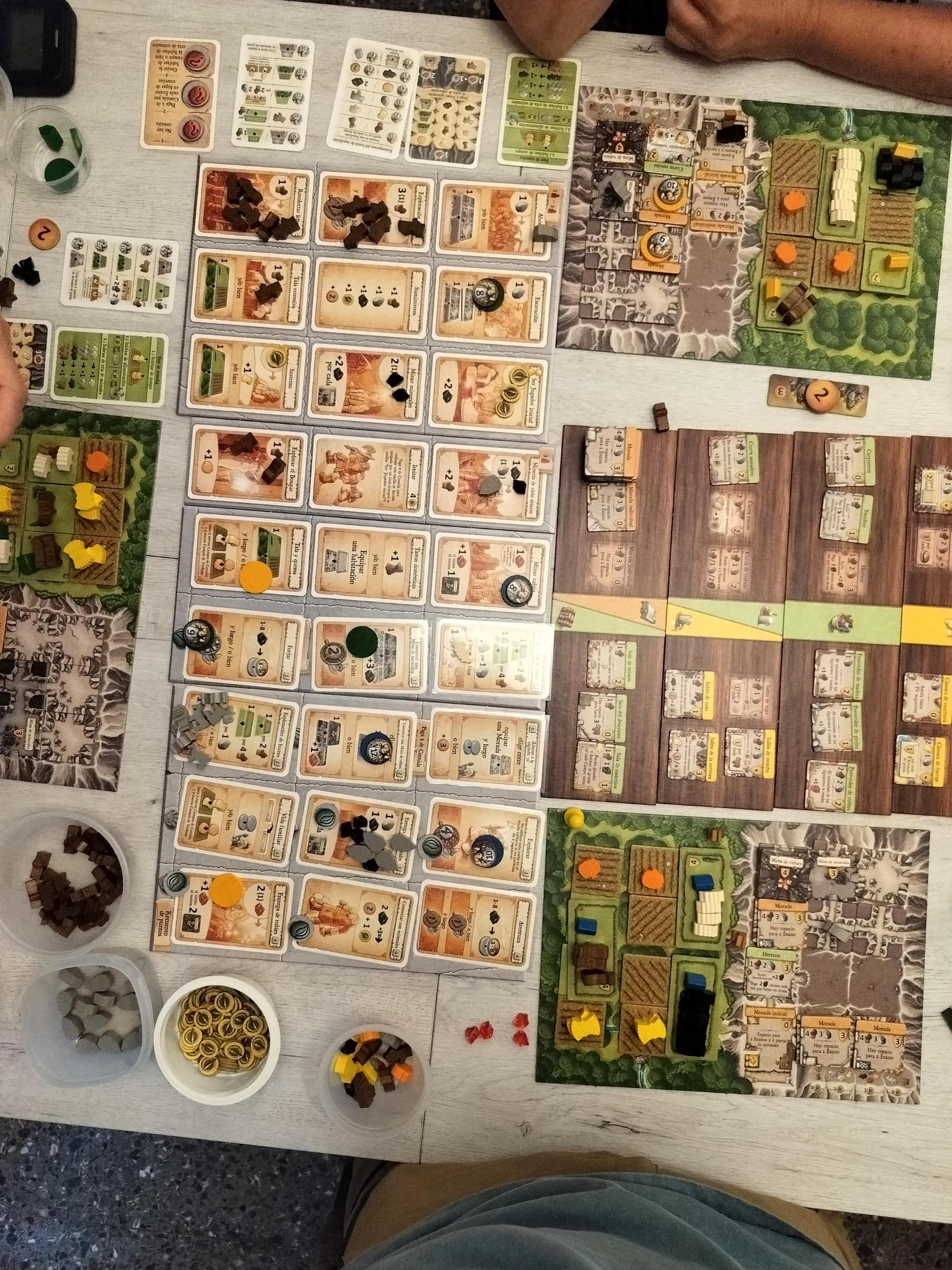
Dónde comprarlo
Precios de tiendas y copias de segunda mano, revisados cada día.
En las mesas de Ludoya
Todas las estadísticas en Ludoya- 692
- Partidas registradas
- 604
- Jugadores
- 2h 8m
- Partida media
- 293
- En colecciones
- 30
- En listas de deseos
- 1
- En preventa
7,7/10
de 125 reseñas en Ludoya
Jan Solo8,3 Eurogame de colocación de losetas y trabajadores donde encarnas a una familia de enanos que deberán mejorar su caverna y conseguir pastos para sus animales. Uno de los mejores juegos de colocación de trabajadores. Admite hasta 7 jugadores. Impro-Reseña⇒ https://youtu.be/F0wDGrrdWjw
Nevest9,3 I played Agricola a few times and I love the mechanics, but I really didn’t love the Occupation cards. They might be great for you or they might really not line up with what you’re doing. In a game like this, I don’t want a large element of randomness that can swing a game by large chunks of points. That’s why I greatly prefer Caverna. The randomness of the Occupation cards in Agricola has been moved to the publicly-available, specialized building tiles in Caverna that anyone can buy. I also feel like Caverna streamlines a few things in Agricola that were a little on the “needlessly complex” side (like house renovation). I love having the option to weaponize a dwarf and send them on a quest. I love the vast variety of buildings. I love the mix of building out your cave and/or clearing out your forest for pasture/crops.
Mestremuten9,0 Rating: 5/5 Production value: 3/4 Is the game in my collection/Love to have?: 1/1


Dudas de reglas
Respondidas a partir del reglamento por el asistente de reglas de Ludoya.
When does a harvest happen and what exactly do we do during a harvest?
Harvest timing is determined by the Harvest markers and round number: rounds 1–2 have no harvest, there is a harvest at the end of round 3 (round 4 has a special “pay 1 Food per Dwarf”), and by default rounds 5–12 have harvests unless modified by Harvest events. Each harvest proceeds in three sub‑phases — Field (collect crops), Feeding (pay 2 Food per Dwarf; offspring born this round cost 1 Food), then Breeding — with special cases explained by the Harvest events (pages 7, 9–10).
How do I get a new Dwarf — can a newborn act the same round?
You gain a new Dwarf by taking a Family growth action and you must have free room in your Dwellings to do so; place a Dwarf disc from your personal supply on top of the Dwarf taking the action. The newborn cannot take an action that round and must be accommodated in the Return home phase (pages 15–16).
I picked up animals but have no room — can I convert them to Food? And what about baby animals from breeding?
During the Work phase, animals you gain may be immediately converted into Food according to the Food conversion table, if you cannot or do not want to place them on your Home board (page 9 and page 11). However, baby animals born in the Breeding sub‑phase may not be converted immediately — they only appear if you can accommodate them on your Home board (page 10).
What can I spend Rubies on and are they 'wild' resources?
Rubies act as a flexible resource: you may exchange 1 Ruby (1:1) for animals, building materials, Grain, Vegetables or Gold (Cattle requires 1 Food extra), buy single Field/Meadow/Tunnel/Cavern tiles for the listed Ruby costs, and spend 1 Ruby to ignore dwarf play order for one Dwarf; Rubies are also involved in mining actions and bonuses (pages 17–18), and they can be converted into Food values as noted on the conversion table (page 11).
How do Pastures and Stables work — what are the animal capacities?
Turn a Meadow into a Small pasture for 2 Wood (holds 2 Farm animals) or pay 4 Wood to place a Large pasture on two adjacent Meadows (holds 4); a Stable costs 1 Stone and may be placed on Forest/Meadow/Pasture and is permanent. A Stable doubles pasture capacity (Small+Stable = up to 4; Large+one Stable = up to 8; with two Stables a Large pasture can use markers to indicate larger counts), a Meadow Stable holds 1 Farm animal, and a Forest Stable can hold exactly 1 Wild boar (pages 19–20).
When are new Action spaces added and how do accumulating spaces refill?
At the start of each round you turn over the top Action space card and place it on the lowest‑numbered empty Round space, making that action available from that round onward (page 7). After that, replenishing (in the Replenish accumulating spaces phase) places the goods shown on accumulating spaces each round (with the special “(1)” rule meaning smaller replenishment if the space is not empty) — there is no upper limit to goods on an accumulating space (page 8).
Hojas de puntuación y ayudas de juego
- Caverna V.
- Score Sheet
- Hoja de Puntuación
Quien lo tiene también tiene
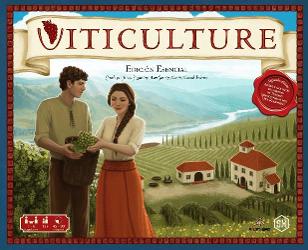
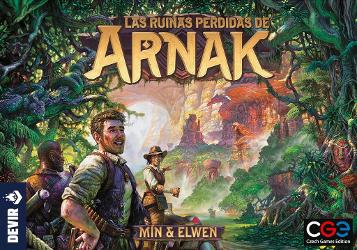
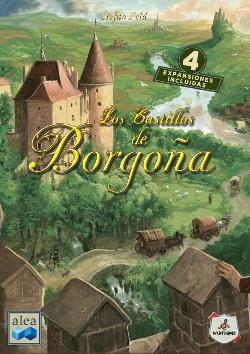
Gratis, en web, Android e iOS
Juega a Caverna con Ludoya
- Tenlo en tu colecciónControla tu copia y sus expansiones, préstala a tus amigos o ponla en tu lista de deseos y te avisamos cuando baje de precio.Añadirlo a tu colección
- Registra cada partidaPuntuaciones, ganadores, temporizadores y fotos, y luego tus estadísticas: porcentaje de victorias, número de jugadores favorito, mejor puntuación.Registrar una partida
- Resuelve dudas de reglasPregunta lo que quieras sobre las reglas y obtén una respuesta sacada del reglamento, con la página donde comprobarla.Preguntar al asistente de reglas
- Encuentra gente con quien jugarloClubes, noches de juegos y eventos cerca de ti que sacan este juego a la mesa.Ver eventos
Datos del juego (jugadores, duración, edad, créditos) de BoardGameGeek.